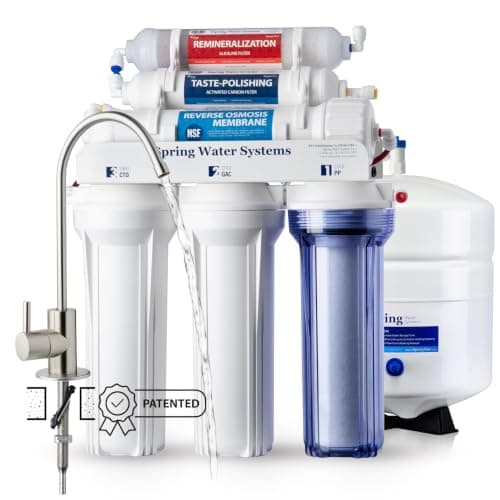
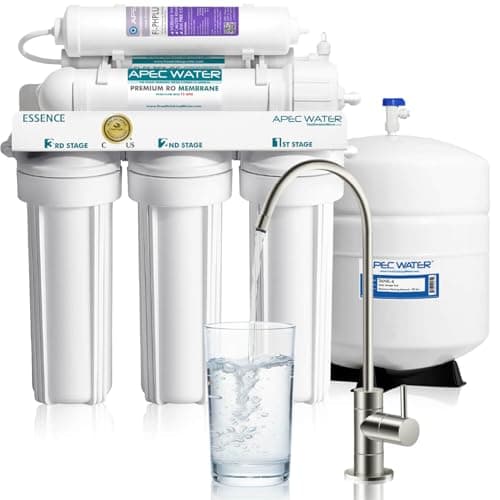
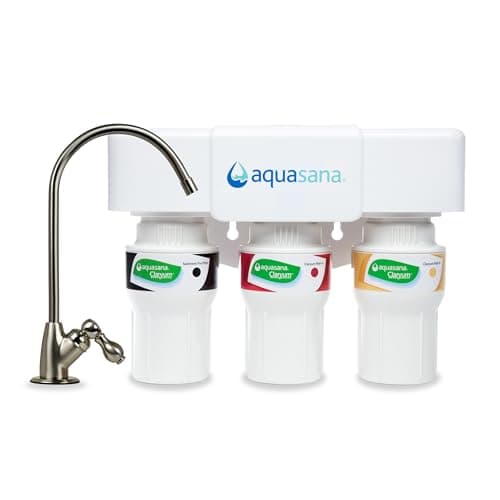
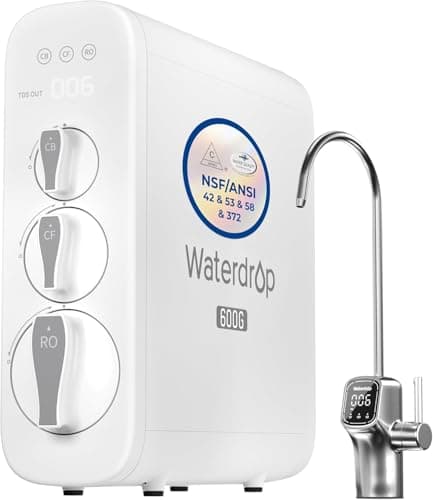
Under-sink filtration treats the one tap you drink from, at full flow, out of sight. The real decision inside this tier is carbon block versus reverse osmosis, and your contaminant decides it: carbon for lead, chlorine and organics; reverse osmosis for fluoride, nitrate, arsenic and dissolved solids.
By Scooter M.·Published September 1, 2026·Last updated September 1, 2026·Certification claims verified September 1, 2026
Under-sink is the tier that makes the most sense for the most people, and the one most likely to be bought wrong. It treats the tap you actually drink from, delivers at full flow rather than gravity, hides in a cabinet, and costs less per gallon than any pitcher within about a year. The catch is that "under-sink" describes two fundamentally different technologies that solve different problems, and the marketing rarely separates them.
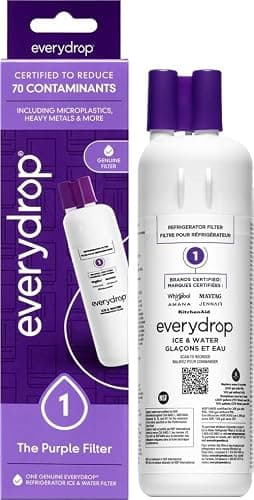
Two questions decide most of it. Does reverse osmosis remove fluoride or PFAS — yes to both, with a certification trap in each — and do you want the minerals back afterwards, which is what a remineralizing system is for. The fridge and the ice maker run off the same cold line and are covered here too. The cartridge inside a Whirlpool-family fridge has its own review, because it is certified for more than most people realize and rated for less.
Carbon block versus reverse osmosis
This is the decision. Everything else in this hub is downstream of it.
Carbon block
Reverse osmosis
Chlorine, taste, odor
Yes
Yes
Lead, VOCs, cysts
Yes, if certified to NSF/ANSI 53
Yes
Fluoride
No
Yes
Nitrate
No
Yes
Arsenic
No
Yes, under NSF/ANSI 58
Dissolved solids (TDS)
No
Yes
Wastewater
None
Some — ratio varies by system
Keeps minerals
Yes
No, unless remineralized
Flow rate
Full
Slower; tank or high-output tankless
Cabinet space
Small
Large with a tank, moderate tankless
Standards scope per NSF. Wastewater ratios are published per system.
Read that table as a rule: if your contaminant appears only in the reverse osmosis column, carbon block cannot help you, no matter how good the carbon block is. Fluoride is the case people get wrong most often. A premium carbon under-sink filter with an excellent certification list will not reduce fluoride, and no amount of spending on carbon changes that.
The reverse is also true and less often said. If your only problem is chlorine taste and you are worried about lead, a carbon block certified to NSF/ANSI 53 does the job with no wastewater, no tank, an easier install, and minerals left in the water. Buying reverse osmosis for that is over-engineering with a running cost attached.
What installation actually involves
Under-sink installation is the barrier people over-estimate and the drilling is the bit they under-estimate.
A cold water connection. Modern systems use quick-connect fittings on the existing cold supply. This is genuinely easy.
A dedicated faucet, usually. Which means a hole in the counter or sink deck. Granite and quartz need a diamond bit and a steady hand, and this is the step that stops most DIY installs. Some sinks have a spare hole under a blanking cap or a redundant soap dispenser — check before you assume. If your main tap is touchless, the second spout is the better route anyway, because the control box is already using the cabinet.
A drain connection, for reverse osmosis only. A saddle clamp on the drain line. Carbon block systems skip this entirely.
Power, for tankless reverse osmosis. An outlet under the sink. Older kitchens frequently do not have one, and this is a hard stop rather than an inconvenience.
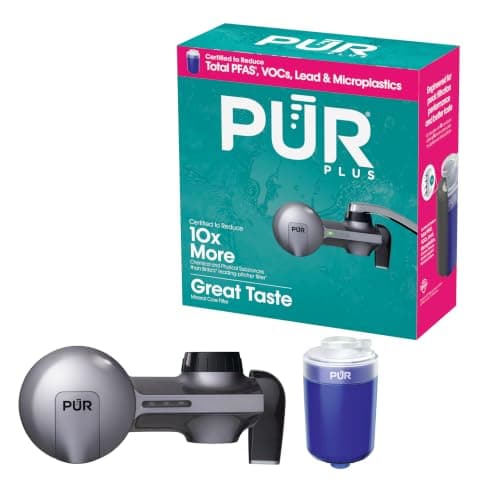
If the counter hole is the blocker, it is a solved problem: direct-connect systems plumb into the line feeding your existing faucet and require no drilling at all — and it is also the cheapest way to stop buying refrigerator filters twice a year. If even that is more plumbing than you want, a certified faucet mount clamps onto the tap you already have.
Renting changes the answer, but not as much as people think
A direct-connect filter with quick-connect fittings can be installed and fully removed in under an hour, leaving the plumbing as it was. Many renters can do that within their lease; a permanent faucet and a drilled countertop is a different conversation. The renter guide covers what comes out cleanly and what does not.
What this tier does not do
It treats one tap. Your shower, your washing machine and your water heater are untouched — so if the problem is a sulfur smell in the shower or scale eating your appliances, this is the wrong tier and whole-house is the right one. Reverse osmosis also removes calcium and magnesium along with the contaminants — what that is actually worth is a smaller number than either side of the argument suggests. Under-sink also does nothing about hardness, and a reverse osmosis membrane sitting on hard water fouls faster than one on soft, which is why softener-plus-RO is such a common pairing.
Start with a pick
Each of these ends in a specific product, a live price where one exists, and a link that goes straight to the retailer.
Is reverse osmosis water bad for you because it removes minerals?
The mineral contribution of drinking water is small compared with food for most people on a normal diet, so the health case against RO is weak. The taste case is real though — RO water tastes flat to people used to mineral-rich tap water, which is exactly why remineralization stages exist and why most systems here include one.
How much water does reverse osmosis waste?
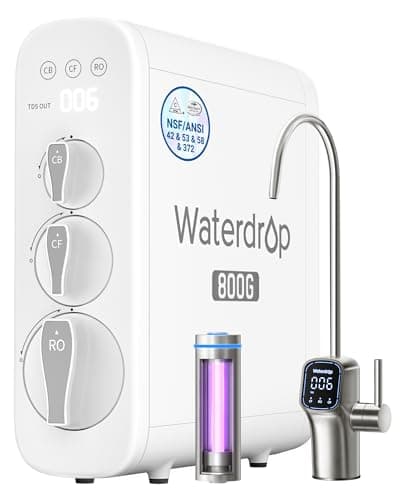
It varies enormously by system and is published as a pure-to-drain ratio. Older tank systems commonly sit around one part product to three or four parts drain. Modern tankless systems publish far better numbers — the Waterdrop G3P800 is rated 3:1 in the product's favor. If wastewater matters to you, compare the published ratio directly rather than assuming.
Do I need a plumber?
For a direct-connect carbon filter with quick-connect fittings, usually not. For anything requiring a new hole in a stone countertop, or a drain saddle, or working in a cramped cabinet, a plumber costs less than a cracked countertop. The drilling is the step that separates the two cases.
How long do under-sink filters last?
Rated capacities vary by two orders of magnitude across this tier. An Aquasana Claryum cartridge is rated for 600 gallons; a Waterdrop 17 series inline filter is rated for 24,000. Both are legitimate designs targeting different jobs, and the capacity is the number to compare, not the replacement interval in months.

 Best under-sink filterBest Under-Sink Water FiltersFive systems compared by certification, wastewater, space and whether you drill.