 Water That Tastes Like A Swimming PoolThe pool taste is disinfectant residual. Carbon removes it for pennies a gallon.
Start With What You Noticed
A taste, a smell, a stain. Each one narrows to a cause.
Most water problems announce themselves before anyone tests anything: a pool smell at the tap, a rotten-egg blast in the shower, orange rings in the sink, white crust on the kettle. Each of those points at a specific cause, and each cause has exactly one filter tier that fixes it.
By Scooter M.Published September 1, 2026Last updated September 1, 2026Certification claims verified September 1, 2026
Almost nobody starts shopping for a water filter because they read a research paper. They start because something changed. The coffee tastes like a swimming pool. The shower smells like eggs for the first ten seconds. There is an orange ring in the toilet cistern that keeps coming back. The kettle has a white crust that no amount of scrubbing removes.
That noticing is more useful than it feels. Water problems are not random — the sensory signature is usually specific enough to narrow the field to one or two causes, and the cause determines which tier of filtration is worth buying. Buying by category instead of by cause is how people end up with a pitcher on the counter and a sulfur smell still in the shower.
The four questions this hub answers
Every triage page here follows the same shape, because the same four questions decide the outcome:
- What is it? Named specifically. Not "minerals" — hydrogen sulfide, or calcium and magnesium, or oxidized iron.
- Is it dangerous? Answered honestly, which frequently means "no, it is unpleasant and harmless." A site that treats every symptom as a crisis is selling fear, not filtration.
- Where is it coming from? The source matters, because a problem in your water heater is a different purchase from a problem in the utility main.
- What actually removes it? A specific tier, and just as often a specific tier that does not work.
The single most useful diagnostic costs nothing
Before buying anything, run the hot tap and the cold tap separately, and run an outside spigot if you have one. This one test separates three completely different problems:
- Cold only — the problem is arriving in the supply, from the utility or the well. That is a filtration purchase.
- Hot only — the problem is in your water heater. The classic case is a rotten-egg smell caused by the magnesium anode rod reacting with sulfate. No filter fixes that; replacing the rod does.
- One fixture only — the problem is that fixture, its supply line or its aerator. A whole-house system aimed at a single bad faucet is an expensive way to avoid a $9 part.
People skip this test constantly, and it is the difference between a $30 fix and a $2,000 one. It takes ninety seconds.
Symptom to cause to tier
| What you noticed | Most likely cause | Which tier fixes it |
|---|---|---|
| Pool or bleach smell and taste | Chlorine or chloramine disinfectant residual | Any carbon filter — a pitcher is genuinely enough |
| Rotten eggs, worst in the shower | Hydrogen sulfide, or a reacting water-heater anode rod | Point-of-entry oxidation, or a new anode rod. Not a pitcher. |
| Metallic or blood-like taste, orange staining | Iron, sometimes manganese, sometimes corroding pipe | Point-of-entry iron filtration. Not a pitcher. |
| White crust, spotty glassware, dry skin | Hardness — dissolved calcium and magnesium | A softener. Filters do not remove hardness. |
| Nothing at all, but you read something worrying | Lead, PFAS or another odorless contaminant | Test first. Then the certified tier for that contaminant. |
The uncomfortable case: nothing tastes wrong
Lead has no taste, no smell and no color. Neither does PFAS, nitrate, arsenic or radon. The contaminants that carry the real health weight are precisely the ones your senses cannot detect, which is the entire reason testing exists.
The reverse is also worth saying: some of what you can see is not a problem at all. Cloudy water is usually dissolved air and needs no purchase, a salty taste is normally chloride and needs a technology most filters do not have, and water that still tastes wrong after filtering is usually an exhausted cartridge rather than a bad filter.
So the honest structure of this site is two doors into the same room. If you noticed something, start here. If you read something, start at contaminants. Both roads end at the same question — which tier, and which certification — and both are answered with the same rule: the product must be certified for your contaminant specifically, not certified in general. A filter certified to NSF/ANSI 42 handles taste and odor and makes no health claim at all.
If you would rather skip the diagnosis and go straight to the decision, the tier decision guide gets there in about two minutes.
Work out what you need
The questions people ask before spending anything.
Water That Tastes Like A Swimming PoolThe pool taste is disinfectant residual. Carbon removes it for pennies a gallon. Rotten Eggs From The TapHydrogen sulfide — or your water heater. The hot-tap test decides which.
 Water That Tastes Like BloodIron, copper or corroding pipe. The color of the stain tells you which.
 White Crust On EverythingHardness, not contamination. Filters do not touch it; softeners do.
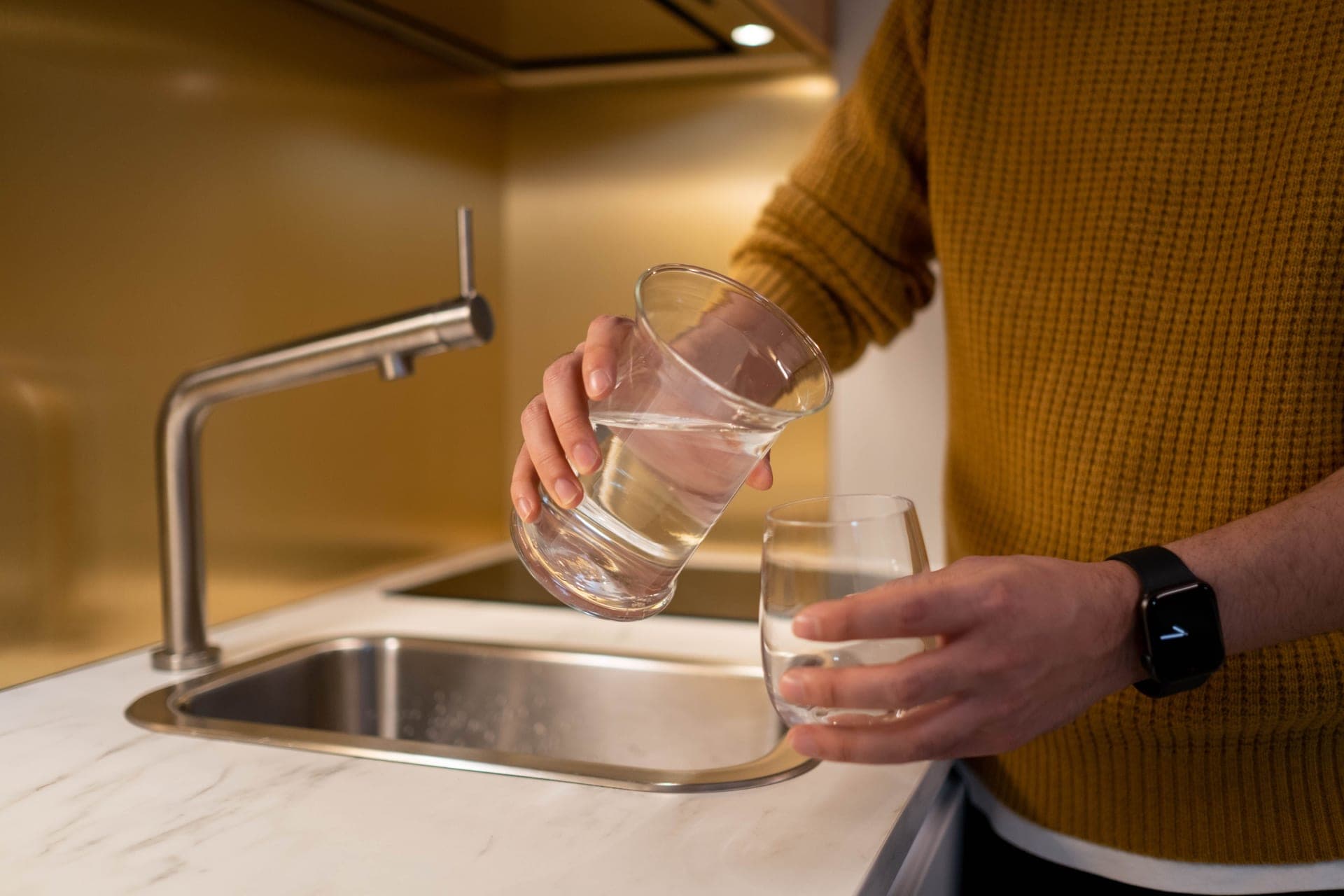 Is My Tap Water Safe?Regulated is not the same as clean. The four checks that actually answer it.
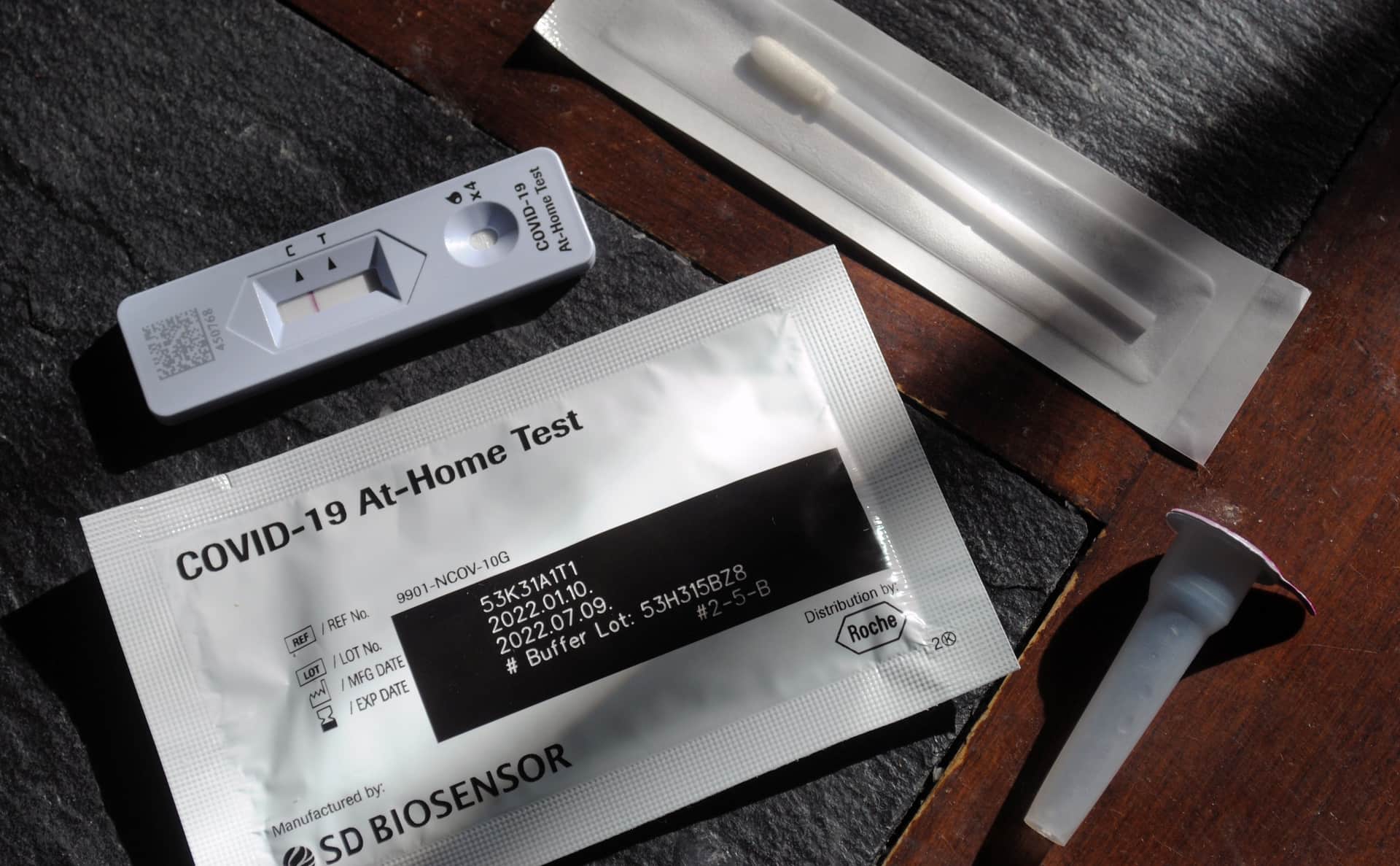 How To Test Your Water ProperlyStrips, meters and lab panels answer different questions. Match tool to question.
 Cloudy Water, Diagnosed In Two MinutesAir clears from the bottom up. Anything else is particles. The two-minute glass test.
 Water That Tastes SaltyChloride is the usual culprit. Carbon cannot touch it; reverse osmosis can.
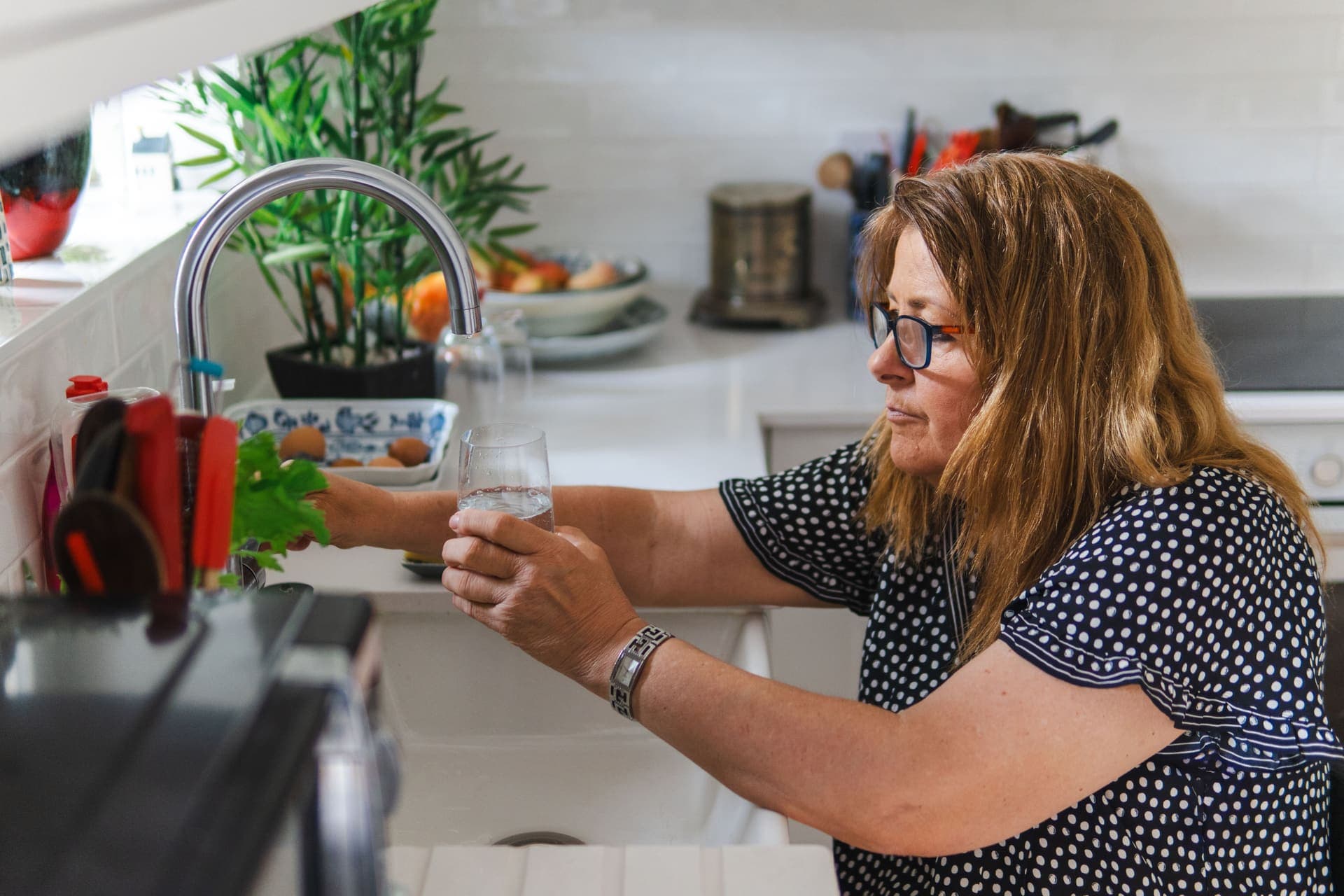 Filtered Water That Still Tastes WrongExhausted cartridge, dirty pitcher, unconditioned filter, or the wrong filter entirely.
Questions people actually ask
My water only smells bad first thing in the morning. Why?
Water that has sat in the pipes overnight picks up whatever the pipes and fittings give off, and any disinfectant residual has had hours to fade. If a 30-second flush clears it, the issue is stagnation in your own plumbing rather than the supply arriving at the house. If it does not clear, the problem is upstream.
Can a water filter make my water taste worse?
Yes, in two common ways. An exhausted carbon filter can release trapped compounds back into the water, which is why rated capacities exist. And reverse osmosis strips out the dissolved minerals that give water its familiar taste, so RO water frequently tastes flat or slightly sour to people used to hard tap water. Remineralization stages exist specifically to address that.
Should I test my water before buying a filter?
For a taste or smell complaint, usually not — the symptom is the diagnosis and a carbon filter is cheap. For anything health-related, or for any well, yes. Buying a treatment system without a lab result is how people install equipment rated for 3 ppm iron on water carrying 9 ppm, and it fails within months.
Is bottled water safer than filtered tap water?
Not inherently. Bottled water is regulated as a food product by the FDA rather than as a public water supply, and a large share of it is municipal tap water that has been treated and packaged. A filter certified for your specific contaminant gives you something bottled water usually does not: a documented performance claim against a named standard.