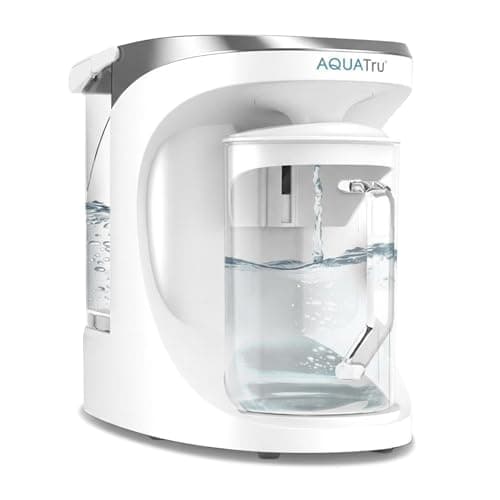
This hub covers everything that filters water without a plumber: pitchers, large dispensers, and countertop units including countertop reverse osmosis. The unifying idea is not the shape of the object. It is the constraint — you cannot or will not modify the plumbing — and that constraint applies to renters, to people in older kitchens with no space under the sink, and to plenty of homeowners who simply do not want a project.
What surprises people is how wide the capability range is inside that one constraint. The gap between the cheapest pitcher filter and a certified countertop reverse osmosis unit is larger than the gap between an average pitcher and an average under-sink filter. Same category, wildly different answers.
What this tier genuinely fixes
- Chlorine taste and odor. Every carbon filter here handles it, and it is the single most common reason anyone buys one. If this is your whole problem, the cheapest certified pitcher is the correct purchase and you can stop reading.
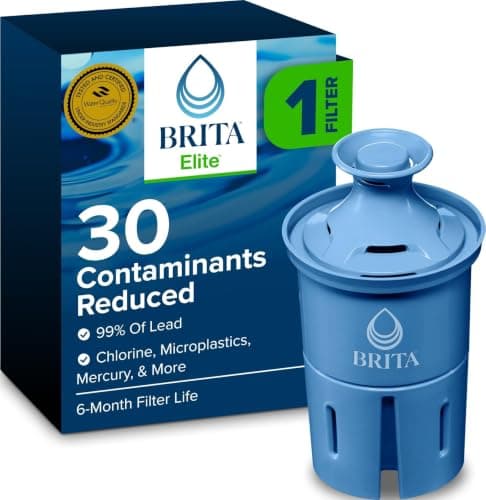
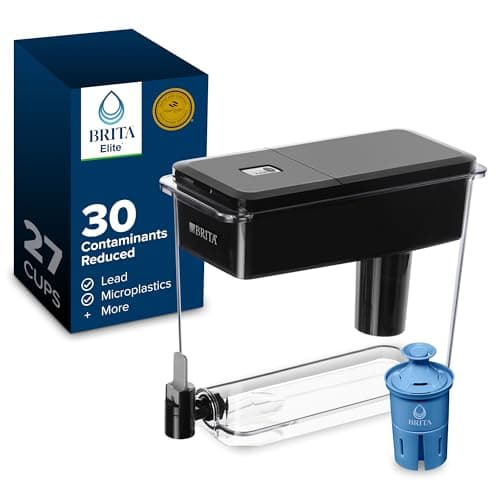
- Lead, with the right filter. Certified models exist at supermarket prices. The catch is that the certification belongs to a specific filter, not to the brand — the Brita Elite carries it and the Brita Standard does not, and they fit the same pitcher.
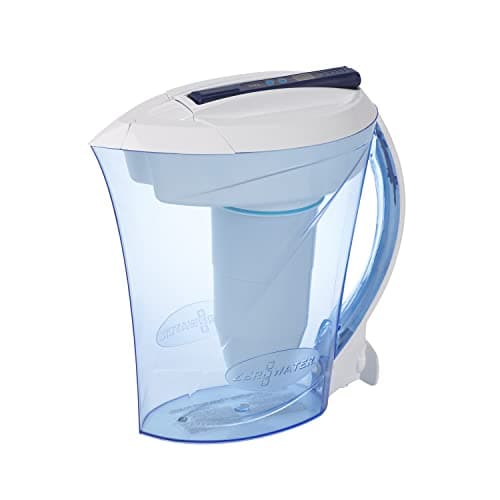
- PFAS, with a narrower set of filters. ZeroWater carries a certification for PFOA and PFOS; several strong performers are tested rather than certified. See the PFAS roundup.
- Total dissolved solids, via ion exchange or countertop RO — the two approaches that go beyond what carbon can do.
What this tier cannot fix, and never will
This is the part the category pages elsewhere tend to skip, and it is the reason people buy twice.
- Hardness. No pitcher softens water. The limescale on your kettle and the spots on your glasses will be exactly the same after you buy one. Hardness is an ion-exchange softener job — see filter versus softener.
- Sulfur smell. Hydrogen sulfide is a dissolved gas that needs oxidation. A pitcher will not touch it, and the smell is worst in the shower anyway, where a pitcher is irrelevant.
- Iron. Dissolved iron blinds a small carbon filter quickly and oxidizes into the orange staining you already have. This is a point-of-entry problem.
- Anything outside the kitchen. Your shower, your washing machine and your water heater are all downstream of nothing. A pitcher treats what you pour into it and nothing else.
Cost per gallon is the number that decides it
Sticker price is close to meaningless in this tier, because the filters are the real cost and their rated lives differ by a factor of ten. The arithmetic is simple: filter price divided by rated gallons.
A filter rated for 120 gallons at the same price as one rated for 40 gallons is three times cheaper to run, and over a couple of years that difference dwarfs the pitcher itself. High-TDS water makes this worse, because ion-exchange filters exhaust faster on hard water — the same ZeroWater filter that lasts a month on soft supply may last two weeks on 400 ppm. We run the arithmetic on the filter life page and on every roundup, using published rated capacities so you can redo it with whatever price you actually pay.
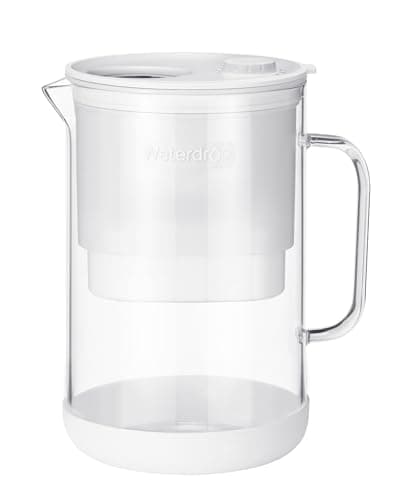
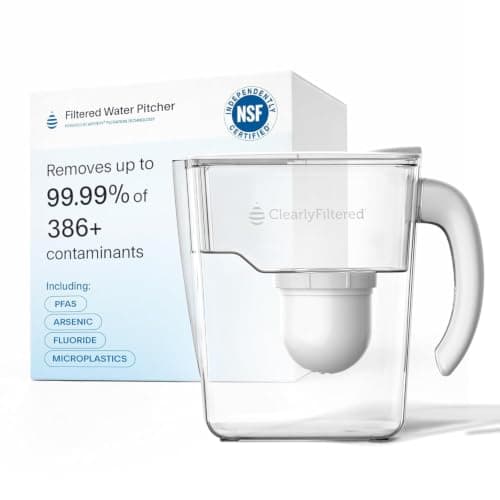
Two questions come up constantly in this tier. The first is material: glass pitchers are bought to avoid plastic and nearly all of them still have a plastic reservoir. The second is a claim worth understanding before you shop it: microplastics is a certified particulate claim covering a specific size range, not a general promise about plastic, and only some pitcher filters hold it.
If a pitcher is too small for your household, the 27-cup Brita dispenser and the rest of the dispenser tier use the same cartridges in a bigger tank — which is worth doing only if you check how many fills each filter gives you, because a large tank uses up a short-lived cartridge fast.
Where countertop sits
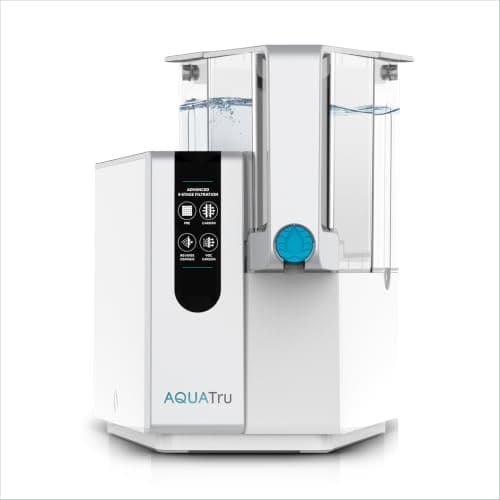
Countertop reverse osmosis is the ceiling of this tier and it changes what is possible. A certified countertop RO unit reaches fluoride, nitrate and arsenic — none of which any pitcher touches — with no plumbing at all. The costs are counter space, a wait while it produces, and tanks you fill and empty by hand. For a renter with a real contaminant problem, it is frequently the only honest answer, and it is covered in the countertop roundup.
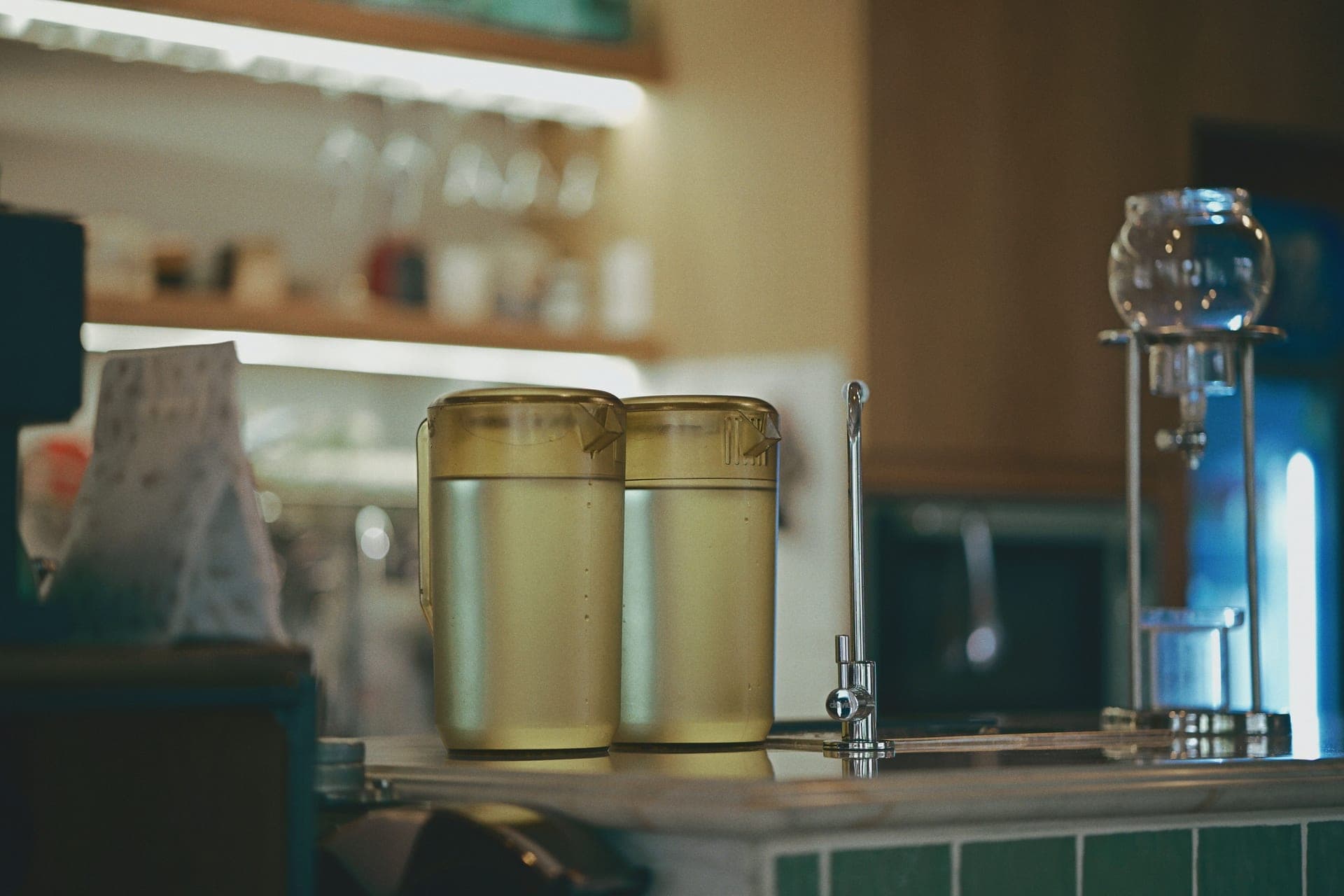
 Best water filter pitcherBest Water Filter PitchersFive pitchers separated by certification and cost per gallon, not by brand.