On a private well there is no utility treating your water and no annual report telling you what is in it. That makes a lab test the first purchase, not an optional one — every well system is sized from numbers, and buying without them is how equipment fails inside a year.
By Scooter M.·Published September 1, 2026·Last updated September 1, 2026·Certification claims verified September 1, 2026
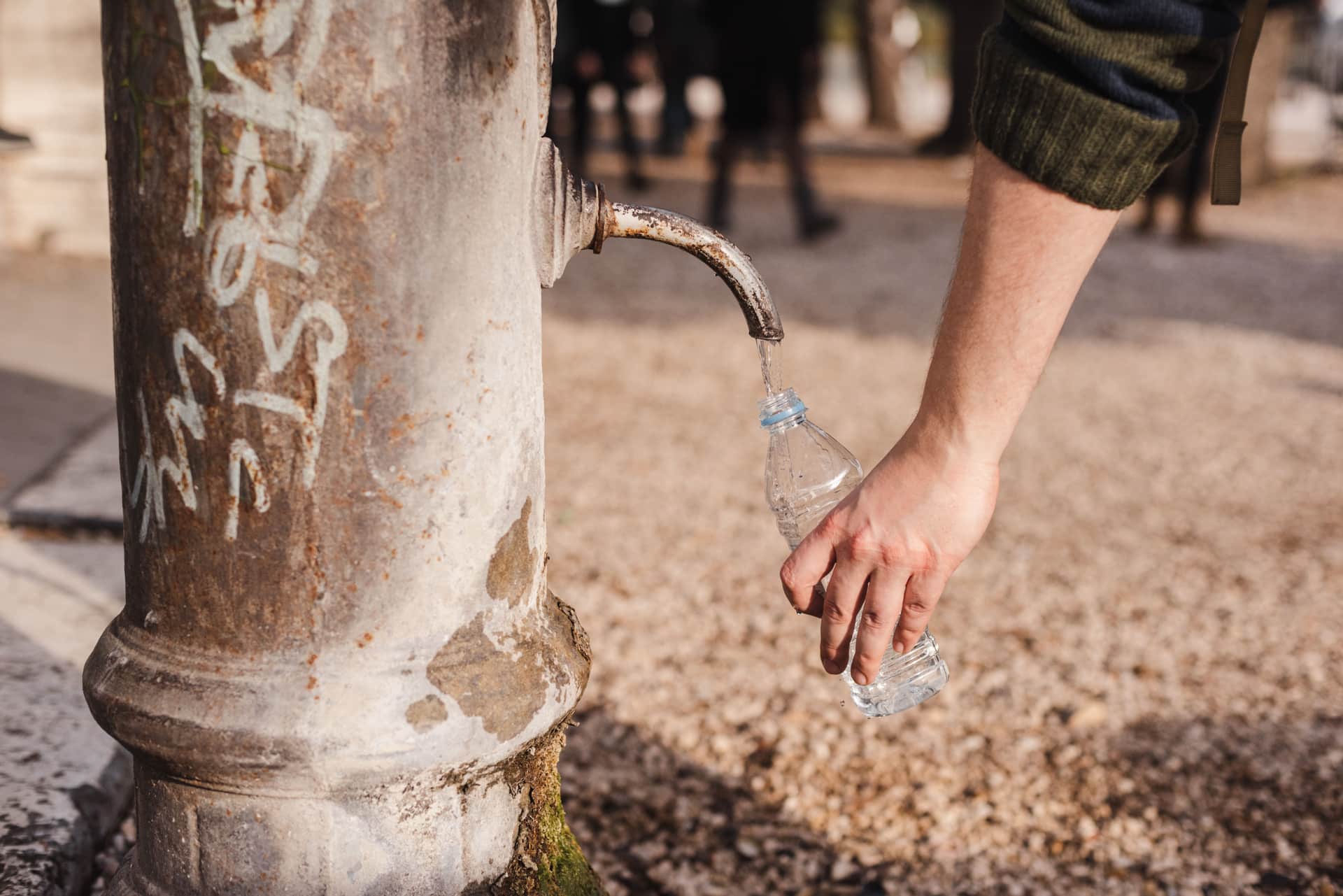
Roughly one in eight American households drinks from a private well, and the regulatory position is simple: the Safe Drinking Water Act does not cover private wells. No utility treats your water. No agency samples it. No report arrives in the mail. Whatever is in the aquifer, plus whatever your well casing and pump contribute, is what comes out of your tap.
That is why this hub exists separately from whole-house, even though the equipment overlaps. The contaminant list is different, the buying process is different, and the ongoing responsibility is entirely yours.
Test first. This is not optional advice.
Every well treatment system is sized from numbers. An air-injection iron filter rated for 7 ppm iron is an excellent purchase on 5 ppm water and a failure on 12 ppm water, and the two situations look identical from your kitchen. The single most expensive mistake in this category is buying equipment before knowing the numbers.
What a first well test should cover:
Total coliform and E. coli. A safety question, not a taste question, and the one result that can change what you do tonight.
Iron and manganese, in ppm. These size the filter.
Hydrogen sulfide, in ppm — the rotten-egg gas.
Nitrate. Especially important near cropland, and specifically dangerous for infants.
pH and hardness. pH determines whether an oxidizing filter will even work; low pH also corrodes plumbing and puts copper in your water.
Arsenic, which is geological and regional. If it is common in your area, test for it; it has no taste and no smell.
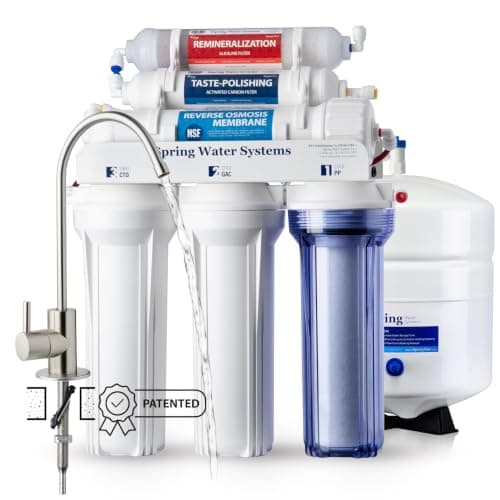
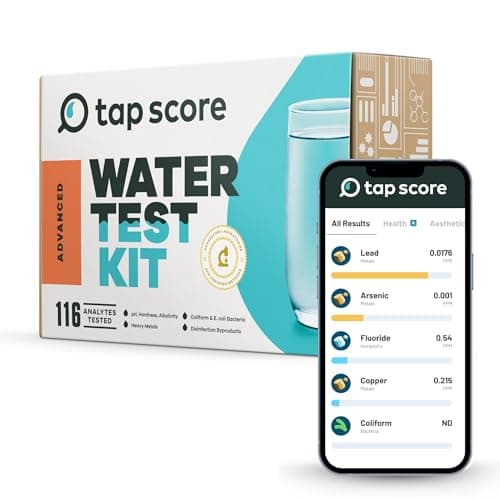
Use a certified laboratory, not a strip kit, for anything you plan to spend money against. The testing guide covers how to collect a sample that is not contaminated by your own faucet, which is where most home-collected samples go wrong. If that panel comes back with nitrate above the limit, arsenic or uranium, note that carbon does nothing about any of them and boiling makes them worse. Once the water is stable, an under-sink system at the drinking tap is what handles nitrate, arsenic and fluoride — as the last stage, never the first.
Reading your numbers into a system
What the lab says
What it means
What handles it
Iron above 0.3 ppm
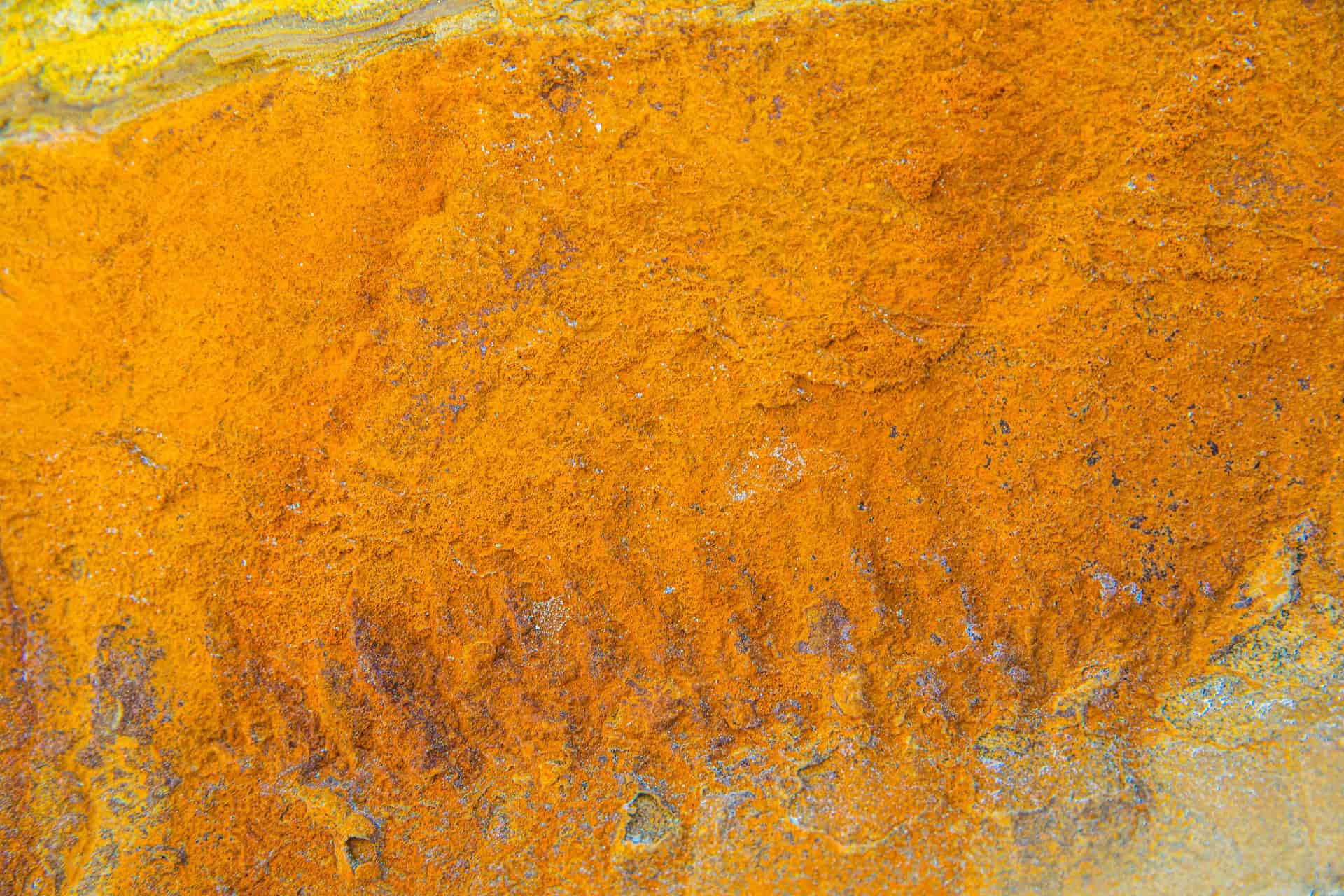
Staining, metallic taste; above 3 ppm cartridge systems struggle
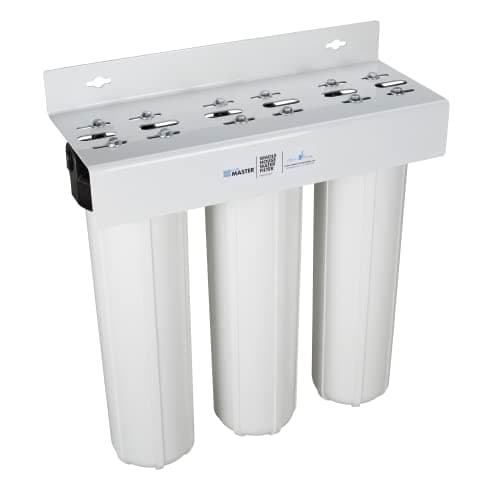
Air-injection oxidation, or a cartridge system inside its published ceiling
Hydrogen sulfide detected
Rotten-egg smell, corrosive to plumbing
Oxidation. Cartridge carbon alone will not hold it.
Manganese above 0.05 ppm
Black staining, worse than iron for laundry
The same oxidizing systems, within their manganese limit
Coliform present
Surface water is reaching your well
Shock chlorination, find the breach, then UV
Nitrate above 10 mg/L
Agricultural or septic influence; unsafe for infants
Reverse osmosis at the tap. Filters do not remove nitrate.
pH below 6.5
Corrosive; leaches copper and lead from plumbing
A neutralizing filter, before anything else
The order matters. A neutralizer goes before an iron filter, because oxidation chemistry is pH-dependent and an iron filter on acidic water underperforms for reasons that look like a defective product. Sequence is one of the few places where a well professional earns their fee.
Bacteria is a different category of problem
Iron and sulfur are nuisance contaminants. Coliform is not. A positive coliform result means surface water is finding its way into your well, and the correct response is to shock chlorinate, find the physical breach — a cracked casing, a failed cap, a septic field too close — and then install UV as ongoing protection. The UV guide covers what UV can and cannot do, and the crucial detail that UV needs clear water to work at all, so it goes after sediment and iron removal, never before.
What we will not pretend about this tier
Amazon carries the well-water brands that actually rank inconsistently or not at all. The strongest air-injection systems are sold direct by their manufacturers, and we earn nothing when you buy them. We list them anyway, and we say plainly which links earn us a commission and which do not — a recommendation you cannot trust is worth less than no recommendation.
Start with a pick
Each of these ends in a specific product, a live price where one exists, and a link that goes straight to the retailer.
Our pick: SpringWell WS1 Well Water Iron Filter (Air Injection)
Sold direct by SpringWell Water. No affiliate link, so nothing to click and nothing for us to earn. The maker's page is in the sources below. Disclosure.
Our pick: SpringWell WS1 Well Water Iron Filter (Air Injection)
Sold direct by SpringWell Water. No affiliate link, so nothing to click and nothing for us to earn. The maker's page is in the sources below. Disclosure.
Test for coliform bacteria and nitrate annually. Test the fuller panel — metals, arsenic, hardness, pH — every three to five years, and immediately after any flooding, any nearby drilling or excavation, any work on the well itself, or any sudden change in taste, smell or color.
Why does my well water smell like rotten eggs only in the shower?
Two possibilities, and they have different fixes. Hydrogen sulfide in the water is a well problem needing oxidation. But if the smell is only on the hot side, it is your water heater's magnesium anode rod reacting with sulfate in the water, and replacing the rod with an aluminum-zinc one solves it for a fraction of the cost of any filter.
Does a water softener remove iron?
Softeners can handle small amounts of dissolved ferrous iron as a side effect of ion exchange, and manufacturers publish a limit. Above that, or with oxidized ferric iron already present, the iron fouls the resin and shortens the softener's life considerably. Iron gets removed before the softener, not by it.
Is well water safe to drink without treatment?
It can be, and plenty of wells produce excellent water. The problem is that you cannot know without testing, and the contaminants that matter most — coliform, nitrate, arsenic — are all invisible and tasteless. Safe is a lab result, not a hope.
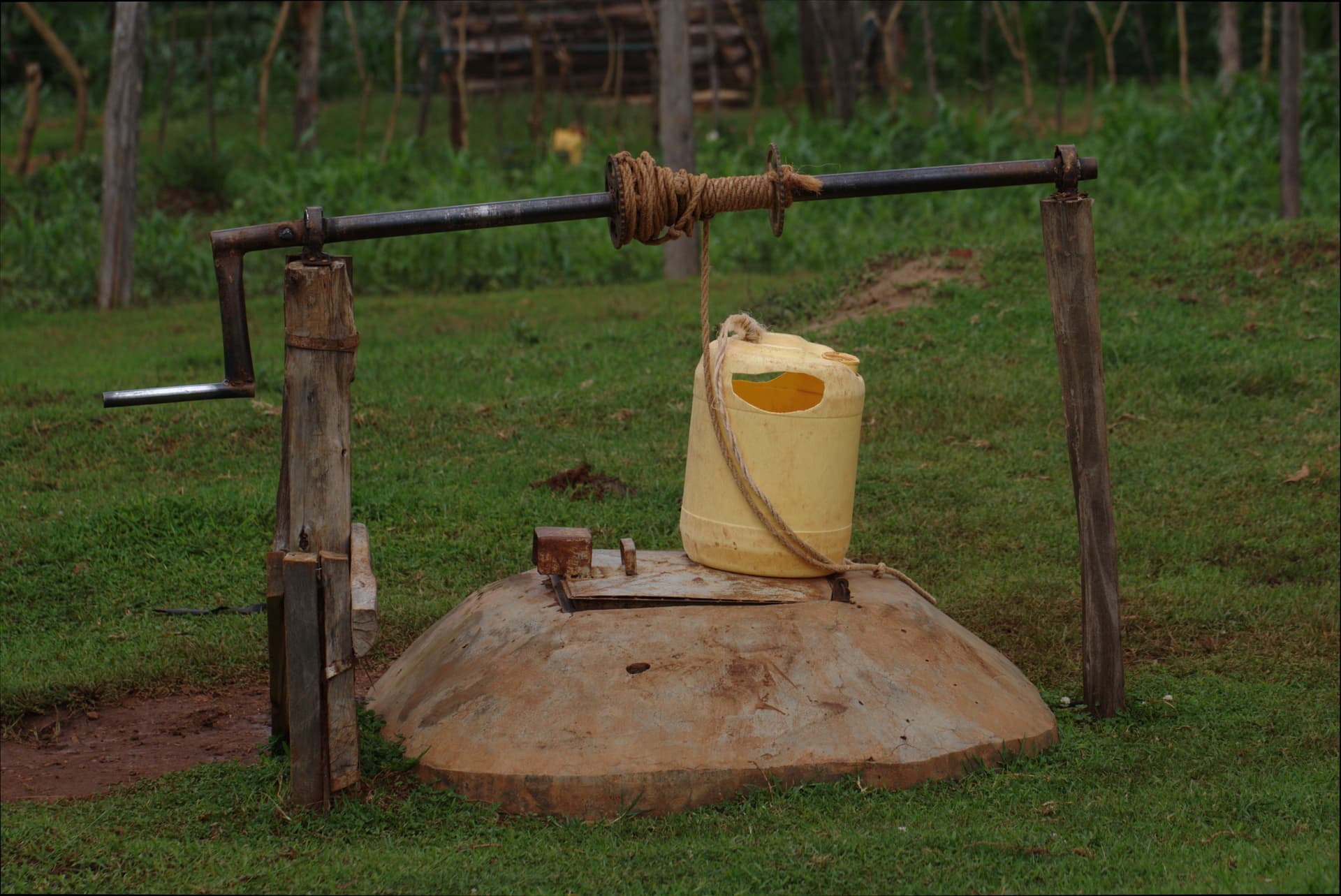 Best well water systemWell Systems, Sized From A Lab ReportAir injection or cartridge, matched to your ppm figures rather than a category.