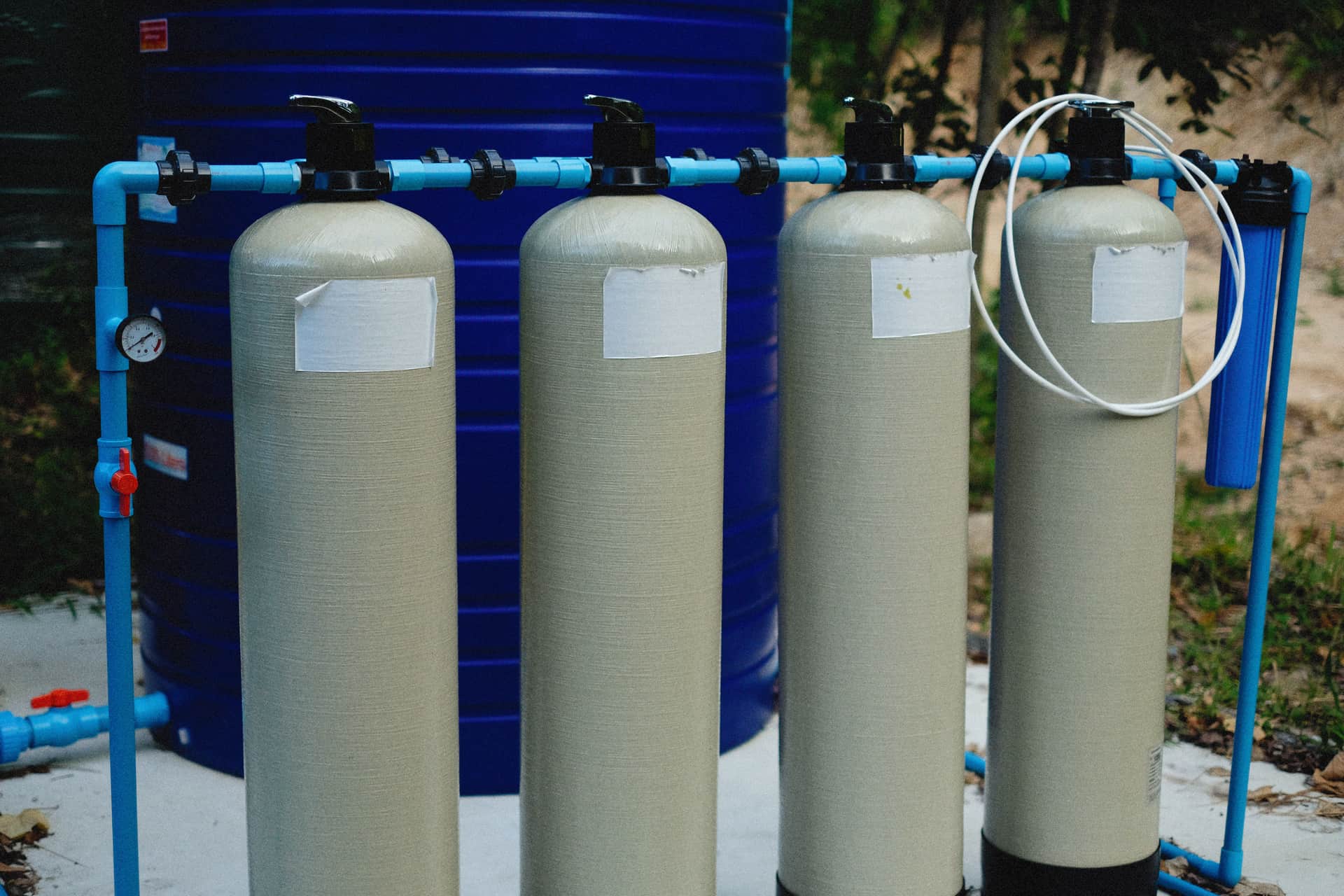
The iSpring RCC7AK and the APEC ROES-PH75 are both 75 GPD six-stage tank reverse osmosis systems with a remineralizing stage. iSpring publishes an NSF/ANSI 58 certification with 97.2% TDS reduction and a 97.4% fluoride figure; APEC's listed credential is the WQA Gold Seal. On hardware they are a coin flip.
Quick picks
Tap any row to jump to the full write-up. The button goes straight to the retailer.
| # | Product | Best for | Price |
|---|---|---|---|
| 1 | 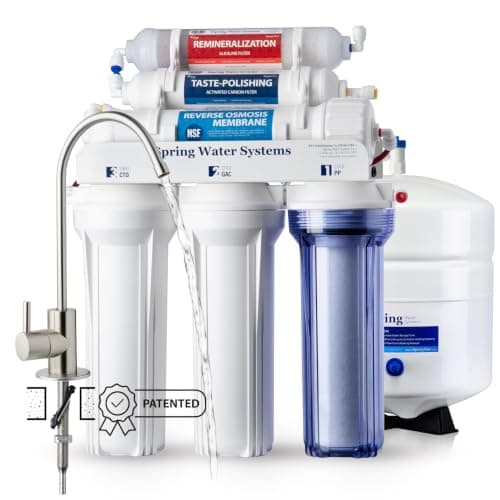 iSpring RCC7AK 6-Stage Reverse Osmosis SystemNSF/ANSI 58 certified with 97.2% TDS and a published 97.4% fluoride reduction, six stages with alkaline. iSpring RCC7AK 6-Stage Reverse Osmosis SystemNSF/ANSI 58 certified with 97.2% TDS and a published 97.4% fluoride reduction, six stages with alkaline. | The one to buy | $198.75 - View on Amazon $234.99 — 15% off #ad Price as of October 6, 2026. We may earn a commission. Disclosure. |
| 2 | 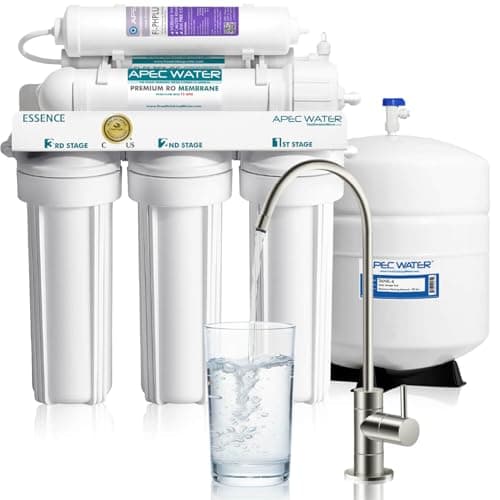 APEC ROES-PH75 Essence 6-Stage Alkaline RO SystemWQA Gold Seal, calcite remineralization, US-assembled, with a wider accepted feed pressure range. APEC ROES-PH75 Essence 6-Stage Alkaline RO SystemWQA Gold Seal, calcite remineralization, US-assembled, with a wider accepted feed pressure range. | If the price is better | $189.99 - View on Amazon $294.99 — 36% off #ad Price as of October 6, 2026. We may earn a commission. Disclosure. |
| 3 | 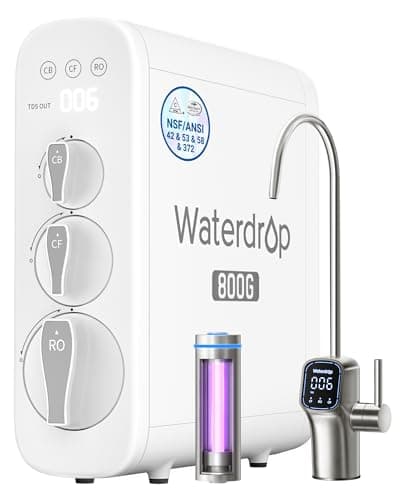 Waterdrop G3P800 Tankless Reverse Osmosis SystemTankless at 800 GPD and 3:1 pure-to-drain — more money, more cabinet space back, needs an outlet. Waterdrop G3P800 Tankless Reverse Osmosis SystemTankless at 800 GPD and 3:1 pure-to-drain — more money, more cabinet space back, needs an outlet. | If you want the tank gone | $699.00 - View on Amazon $999.00 — 30% off #ad Price as of October 6, 2026. We may earn a commission. Disclosure. |
How close these two actually are
This is one of the tightest comparisons on the site. Both systems are six-stage, both produce 75 gallons a day, both put minerals back after the membrane, both use standard cartridge formats, and both have been sold for years to people who wanted reverse osmosis without a subscription.
| iSpring RCC7AK | APEC ROES-PH75 | |
|---|---|---|
| Output | 75 GPD | 75 GPD at 60 psi and 77°F |
| Stages | 6, including alkaline remineralization | 6, including a calcite remineralization stage |
| Credential | NSF/ANSI 58 certified, plus WQA Gold Seal | WQA Gold Seal |
| Published TDS reduction | 97.2% | Not published as a percentage |
| Published fluoride reduction | 97.4% | Not published as a percentage |
| Feed pressure | 45-70 psi | 40-85 psi |
| Maximum feed TDS | Not published | 2,000 ppm |
| Tank | Pressure tank included | 4-gallon pressure tank |
Read that table and the hardware differences are marginal. The feed-pressure window is wider on the APEC, which matters on a low-pressure supply; the published performance figures sit with the iSpring. Everything else is a wash.
The difference that decides it
iSpring publishes an NSF/ANSI 58 certification with a 97.2% TDS reduction figure and a 97.4% fluoride reduction figure. APEC publishes the WQA Gold Seal, which is a real certification mark — but the Gold Seal covers what the certificate says it covers, and APEC does not publish per-contaminant percentages the way iSpring does.
That matters most if you are buying for a specific contaminant. Fluoride reduction is an optional claim inside NSF/ANSI 58 — we went through that trap here — so a published fluoride figure attached to a 58 certification is exactly the evidence a fluoride buyer needs, and the absence of one is not proof of absence but is a gap you cannot close from the product page.
If you are buying for general dissolved-solids reduction and better-tasting water, the distinction largely evaporates. Both are competent membranes in competent housings.
Living with either one
- Cartridges. Both use standard 10-inch pre-filter formats, which is the quiet advantage of this tier over proprietary systems: you can shop the replacements rather than paying whatever the brand charges.
- The tank. Four gallons of pressurized storage takes up most of a cupboard. Measure before you buy, and remember the tank and the unit both need to fit with the plumbing already there.
- Wastewater. Conventional tank RO commonly runs several parts drain to one part product. What reverse osmosis actually costs runs that arithmetic, and it is the strongest argument for paying up for a tankless system.
- Remineralization. Both put calcium back after the membrane, which fixes the flat taste people complain about — the remineralizing shortlist explains what that stage does and does not do.
Which to buy
Buy the iSpring if you are filtering for a named contaminant — fluoride especially — or if you simply want the stronger published evidence for the same money. The 58 certification plus published percentages is the better paperwork, and paperwork is what this site weighs.
Buy the APEC if it is meaningfully cheaper on the day, if your feed pressure is at the low end, or if your water is very high in dissolved solids — its published 2,000 ppm maximum feed TDS is a useful number that the iSpring does not state.
Buy neither if the cupboard is the constraint. Tankless systems like the Waterdrop G3P800 remove the tank entirely and publish much better drain ratios, at a higher price and with a power requirement.
The cost-per-gallon math
Over five years, both systems cost the purchase price plus a pre-filter set once or twice a year, a remineralizing cartridge annually, and a membrane every two to three years.
Because both use standard cartridge formats, the replacement market is competitive and the long-run cost is similar — which is why the purchase decision really does come down to the certification and the price on the day rather than to the running cost.
We show the arithmetic rather than a verdict so you can redo it with the price you actually pay. Filter prices move; the rated capacities above do not.
The picks in full
The one to buy
iSpring RCC7AK 6-Stage Reverse Osmosis System
iSpring
The value pick of the reverse-osmosis tier: a WQA Gold Seal system with an alkaline stage, usually at the lowest price of anything here that carries a real certification.
Certification status
Certified against NSF/ANSI 58 for TDS reduction and carries the WQA Gold Seal, with 97.2% TDS removal certified.
Published specifications
| Output | 75 GPD |
|---|---|
| Stages | 6, including alkaline remineralization |
| Certified TDS reduction | 97.2% |
| Feed pressure | 45-70 psi |
| Feed temperature | 40-100 degrees F |
| Assembled size | 15.5" deep x 19.5" high, 25 lb |
| Certification | NSF/ANSI 58, WQA Gold Seal |
What we like
- Certified performance at the lowest price in the tier
- Push-fit tubing makes a first-time install genuinely manageable
- Alkaline stage included rather than sold as an upgrade
What we do not
- Narrow 45-70 psi feed window — low-pressure homes may need a booster pump
- Tank plus housing needs real cabinet depth
- Conventional reverse-osmosis drain ratio
Skip it if
Homes with feed pressure below 45 psi that will not add a booster pump, and anyone who wants a tankless footprint.
$234.99 — 15% off
#ad Price as of October 6, 2026. We may earn a commission. Disclosure.
Where these specifications came from
If the price is better
APEC ROES-PH75 Essence 6-Stage Alkaline RO System
APEC Water Systems
A conventional tank system that uses ordinary 10-inch cartridges rather than proprietary pods, which keeps the ten-year running cost sane. The sixth stage puts minerals back for people who dislike RO's flat taste.
Certification status
WQA Gold Seal certified.
Published specifications
| Output | 75 GPD at 60 psi and 77 degrees F |
|---|---|
| Tank capacity | 4 gallons |
| Stages | 6, including a calcite remineralization stage |
| Feed pressure | 40-85 psi |
| Max feed TDS | 2,000 ppm |
| System dimensions | 15.5" L x 5.25" W x 17.5" H, plus a separate tank |
| Certification | WQA Gold Seal |
What we like
- Standard-size cartridges, so replacements are cheap and sourceable from many brands
- Calcite stage restores minerals and lifts the pH of reverse-osmosis water
- No electricity required
What we do not
- The 4-gallon tank plus housing takes most of an under-sink cabinet
- Slower than tankless systems, and it pauses while the tank refills
- Conventional wastewater ratio, well short of the G3P800's 3:1
Skip it if
Small cabinets. Measure before you buy — the tank alone is roughly 11 x 11 x 15 inches, and people discover this after delivery.
$294.99 — 36% off
#ad Price as of October 6, 2026. We may earn a commission. Disclosure.
Where these specifications came from
If you want the tank gone
Waterdrop G3P800 Tankless Reverse Osmosis System
Waterdrop
Tankless reverse osmosis that gives back the cupboard a pressure tank would eat, fills a glass without the pause, and sends markedly less water down the drain than a classic tank system.
Certification status
Certified to NSF/ANSI 42 for chlorine reduction, NSF/ANSI 53 and 58 for TDS, fluoride, cadmium, hexavalent chromium and selenium, and NSF/ANSI 372 for lead-free materials.
Published specifications
| Output | 800 GPD |
|---|---|
| Pure-to-drain ratio | 3:1 |
| Format | Tankless — no pressure tank |
| Certified standards | NSF/ANSI 42, 53, 58, 372 |
| Installation | Two holes: smart LED faucet and drain |
| Faucet | Included, with TDS display |
What we like
- No pressure tank, so it fits cabinets a tank system cannot
- 3:1 pure-to-drain is far better than the ratio typical of older reverse osmosis
- 800 GPD means no waiting for a tank to refill
What we do not
- Needs a power outlet under the sink — a real constraint in older kitchens
- Proprietary filter cartridges, so you are tied to Waterdrop's pricing
- Requires drilling for the included faucet unless you have a spare hole
Skip it if
Renters, and anyone with no outlet under the sink. It is a permanent, powered installation — a countertop unit is the answer if you cannot commit to that.
$999.00 — 30% off
#ad Price as of October 6, 2026. We may earn a commission. Disclosure.
Where these specifications came from
Questions people actually ask
Is iSpring or APEC better?
On hardware they are close to identical: both are 75 GPD six-stage tank reverse osmosis systems with a remineralizing stage. iSpring publishes an NSF/ANSI 58 certification with 97.2% TDS and 97.4% fluoride reduction; APEC publishes the WQA Gold Seal without per-contaminant percentages. If you are buying for a specific contaminant, that evidence gap decides it.
Do both remove fluoride?
Reverse osmosis rejects fluoride as a technology, but the claim has to be on the specific system. iSpring publishes 97.4% against its NSF/ANSI 58 certification. APEC does not publish a fluoride percentage, which is not evidence that it performs worse — it is an absence of published evidence.
Which is easier to install?
Equally involved. Both need a cold water tee, a drain saddle and a hole for the dedicated faucet, and both come with a four-gallon pressure tank that has to fit in the cupboard. The APEC accepts a slightly wider feed pressure range, 40 to 85 psi against 45 to 70.
Are the replacement filters interchangeable?
Not between brands, but both use standard 10-inch pre-filter formats rather than sealed proprietary cartridges, so replacements are available from multiple manufacturers. That is the main long-run cost advantage of this tier over tankless systems with brand-locked cartridges.
Should I buy a tankless system instead?
If cupboard space or wastewater bothers you, yes. Tankless systems produce on demand, publish much better pure-to-drain ratios, and remove the pressure tank — at a higher purchase price, with proprietary cartridges and a mains power requirement.